GFS Archives

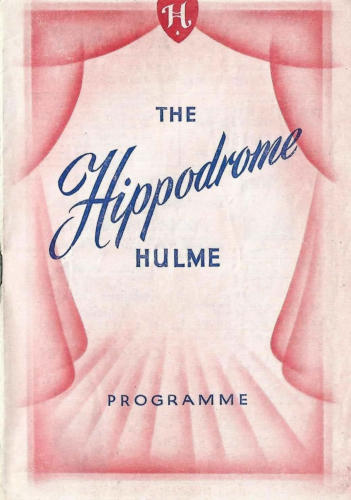
The Hippodrome, Hulme
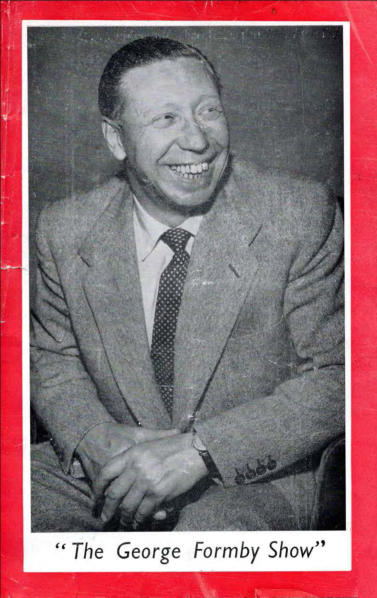
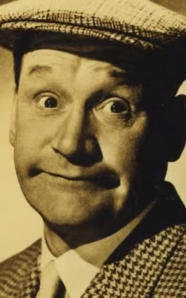
It was originally known as the Grand Junction Theatre and Floral Hall, and opened on 7 October 1901 on the former main road of Preston Street, Hulme, (now Clopton Walk) and with stage access is from Warwick Street The Hulme Hippodrome theatre is located in the same building and shares a party wall with its small sibling theatre, The Playhouse. The Hippodrome was a music hall and variety theatre, a repertory theatre in the 1940s, and hired on Sundays for recording BBC programmes with live audiences between 1950 and 1956. The theatre has been closed since 2018 and a campaign group exists to bring it back into use as a community resource, where the current owner is seeking permission to build apartments. Its local name in memoirs and records is 'Hulme Hipp'. Its national heritage significance includes being the venue for live recording the first three series of BBC programmes by the comedians Morecambe and Wise.Frank Formby
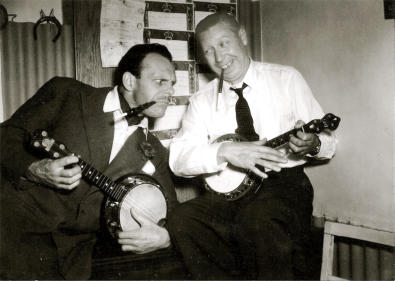
Frank was born on 1 April 1913 in Hindley House, Wigan. His early stage career took a similar path as his elder brother, impersonating his father, George Formby Sr. we get a glimpse of his early act in the 1935 Pathé film, “Following In Father’s Footsteps,” where Frank can be seen singing his father’s signature song, Standing At The Corner Of The Street. Along with being a brilliant tribute act to his father, Frank was a good tap dancer and a great stand-up comic. Realising his brother’s growing popularity, Frank introduced the banjo-uke into his act and began singing popular songs, including numbers made famous by his brother George. Fank was made guest of honour at the inaugural meeting of the George Formby society in September 1961. Members took great pleasure in listening to his memories of his brother George and also hearing him play his banjo-uke, singing his famous song It’s “Another Fellas Job By Now.”
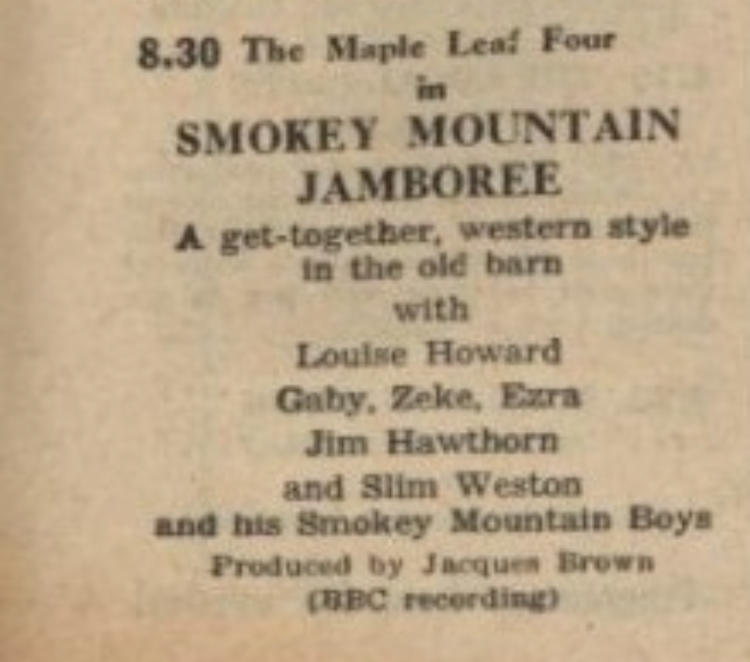
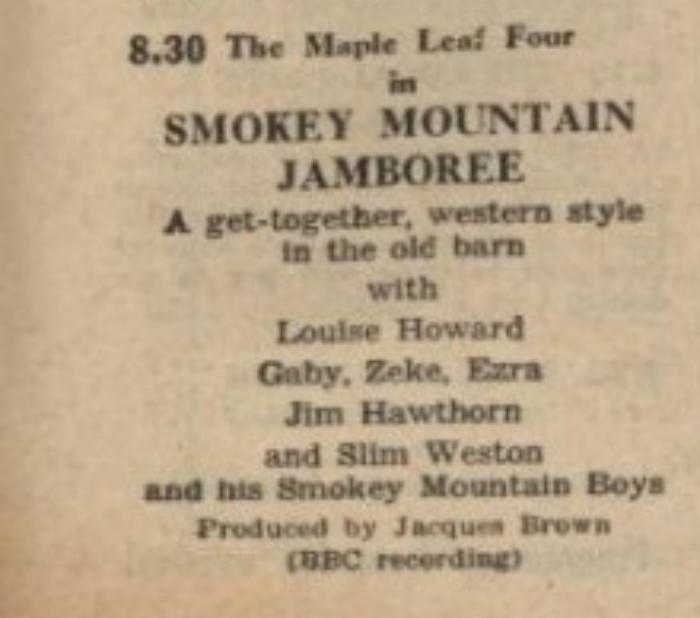
In the week the programme was issued, Frank
Formby (with his sister Louie) along with Albert
Modley featured on the programme. Also featuring
were The Maple Leaf Four who were a very popular
singing quartet in the 1950s on BBC Radio. The page
opposite is from the radio Times and informs the
listener that the Maple Leaf Four could be heard on
the Light Programme at 20:30 in Smokey Mountain
Jamboree.

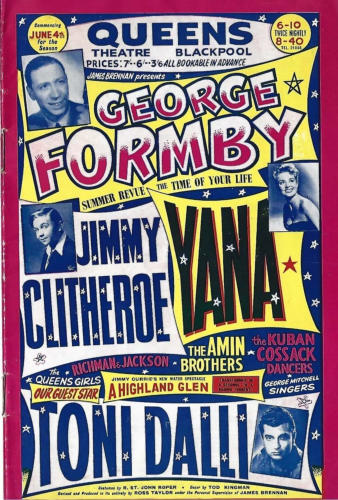
George Formby in The Time of Your Life
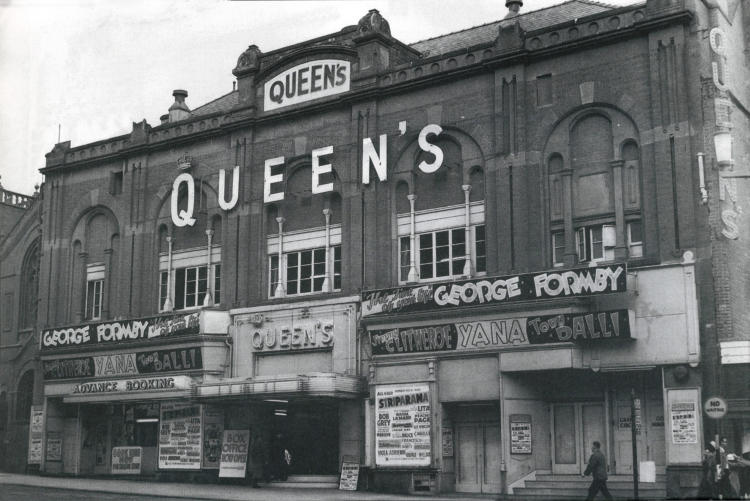
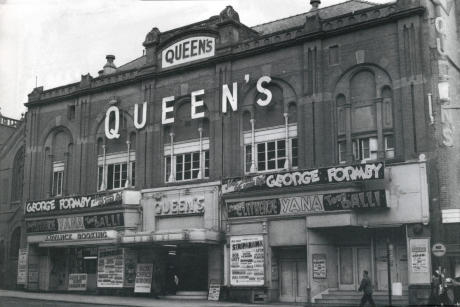
The Queen’s Theatre, Blackpool
"The Time of Your Life" was a summer season variety show starring George Formby that ran at the Queen's Theatre in Blackpool in 1960. It was a significant performance as it was one of the last major engagements in Formby's final year of work before his death in March 1961. The show featured George Formby as the main star, supported by singer Yana, comedian Jimmy Clitheroe, Toni Dalli, and the Amin Brothers. The show was a traditional summer revue, often featuring the banjolele and popular songs that formed his famous act. The 1960 season was a tumultuous time for Formby. His health was failing, he had high blood pressure, heart problems, and was overweight. Beryl, Formby's wife and manager, was often absent from the theatre due to worsening illness (leukaemia). The performance in Blackpool was also broadcast by the BBC. While Formby was physically frail, reviewers and colleagues generally noted that in the theatre environment, his rapport with the audience remained strong. The show is often remembered by fans and historians as one of the last chances to see Formby in his natural element—the northern seaside summer season—before his passing shortly after.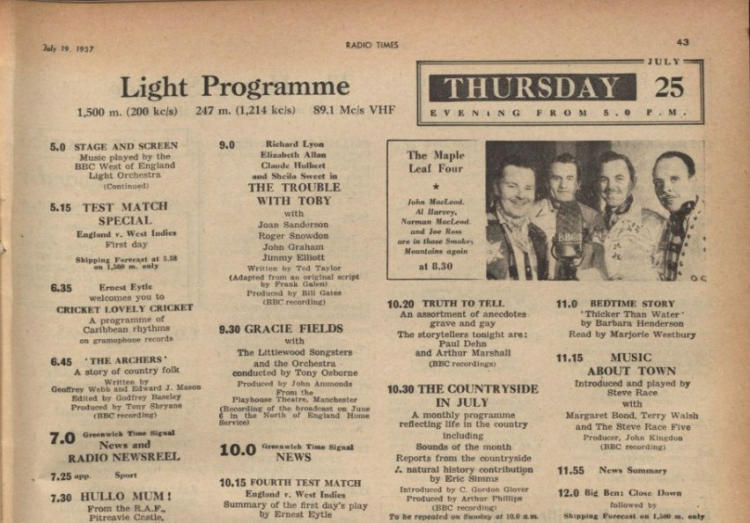

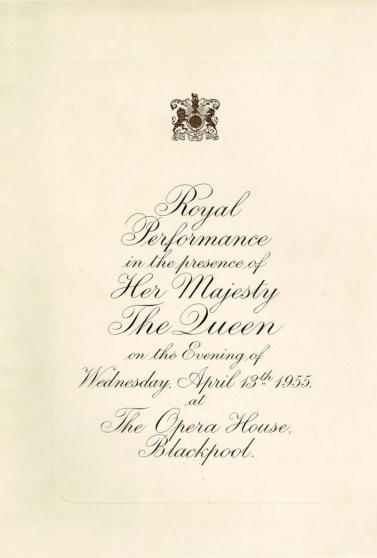
Royal Variety Performance
The Opera House, Blackpool - 13 April 1955
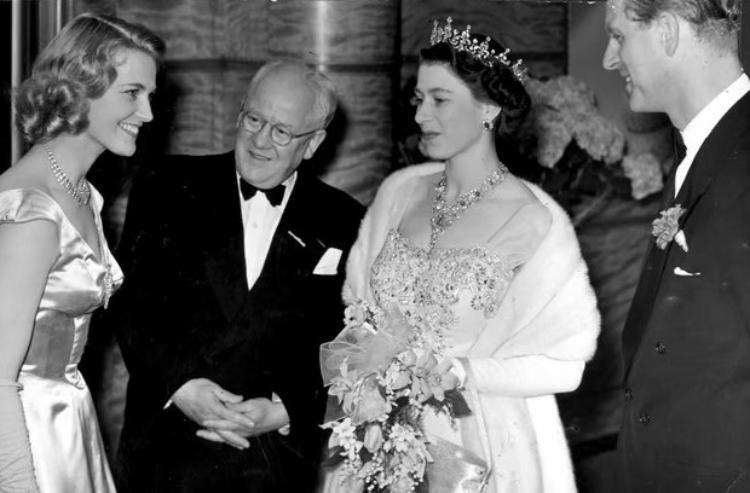
The 1955 Royal Variety Performance held at the Blackpool Opera House on 13th April was a historic event, marking the first time the show was staged outside London. The performance took place in the presence of Queen Elizabeth II and HRH The Duke of Edinburgh, who visited the theatre following a Royal Tour of Lancashire. The show featured a star-studded line-up of acts familiar to Blackpool audiences, including George Formby, Arthur Askey, Reginald Dixon, Jimmy Jewel & Ben Warriss, Charlie Cairoli, Eddie Fisher, and a young Morecambe and Wise. Other notable performers included The Crazy Gang, The John Tiller Girls, Flanagan & Allen, and the slapstick duo Lauri Lupino Lane and George Truzzi. To accommodate the royal visit, a special Royal Box was constructed specifically for the occasion, which remained in the theatre for many years before being demolished. While 1955 featured two Royal Variety Performances (the second being in London), the Blackpool event is particularly noted for its regional significance and the attendance of the future reigning monarch. The show was presented by Jack Hylton, with musical direction by Billy Ternent and Ronnie Munro. This historic performance paved the way for future Royal Varieties in Blackpool, which subsequently occurred in 2009 and 2020.
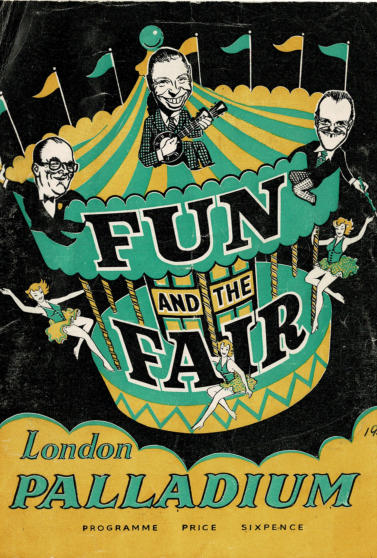
FUN AND THE FAIR
The London Palladium - October to December 1953
Fun and the Fair was a revue that ran at the London Palladium from October to December 1953, featuring George Formby in 138 performances alongside Terry-Thomas and the Billy Cotton band. Formby appeared in the penultimate act, while Terry-Thomas closed the show, a decision that reportedly left Formby suffering from stage fright and a return of his depression and stomach problems. Although Formby's act was well-received, the production was not as successful as hoped. Terry-Thomas later noted that Formby's performance put the audience in a mood that made them unresponsive to anyone following, leading him to request a schedule change so Formby could close the show, a request that was denied.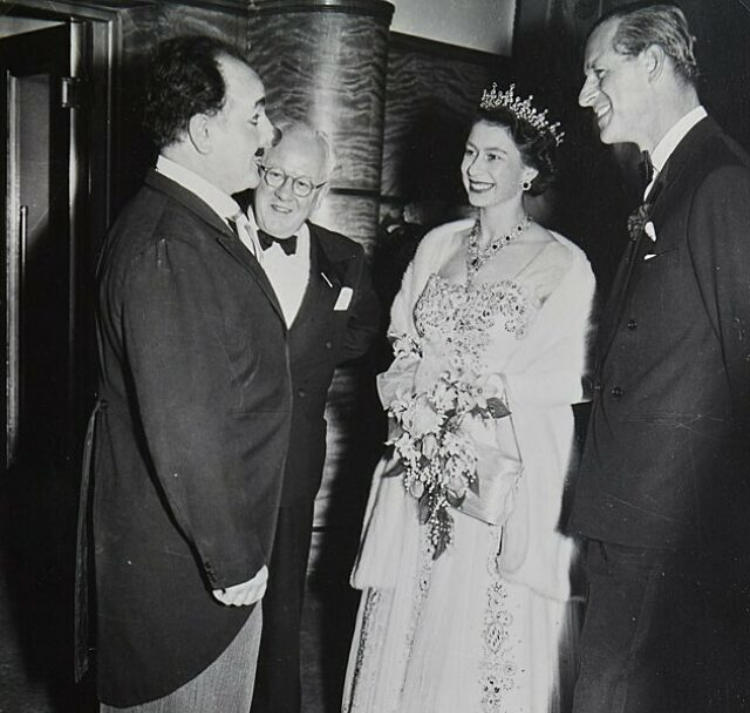
THE QUEEN AND PRINCE PHILIP MEET CHARLIE CAIROLIi
JOAN REGAN MEETS QUEEN ELIZABETH II AND PRINCE PHILIP
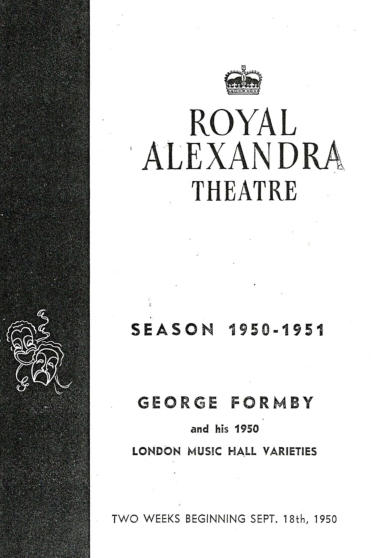
ROYAL ALEXANDRA THEATRE
September 1950 - Toronto, Canada
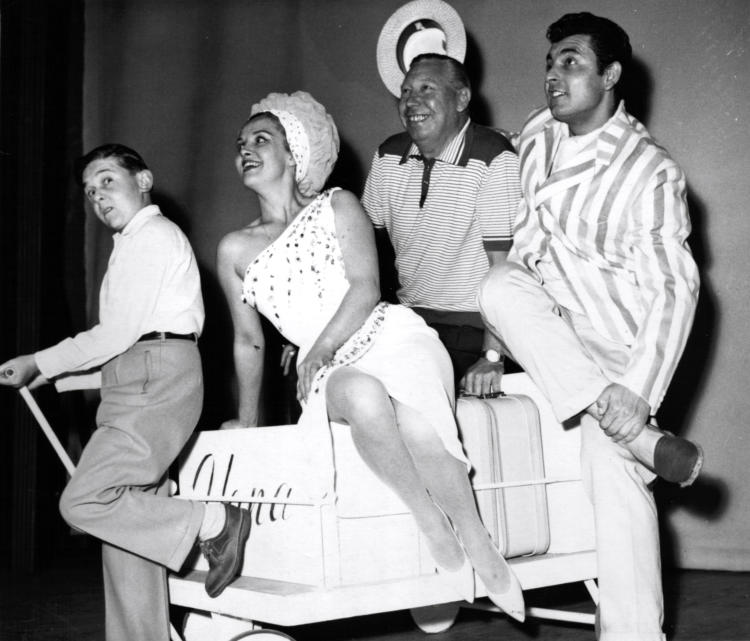
FROM LEFT: JIMMY CLITHEROE, YANA, GEORGE FORMBY TONI DALLI
THE QUEEN’S THEATRE AT THE TIME THE SHOW WAS THERE

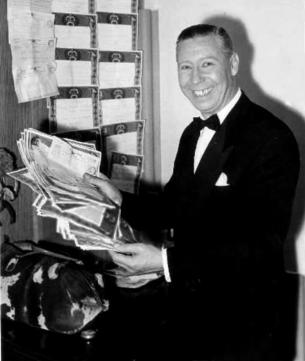
FUN AND THE FAIR
The London Palladium - October to December 1953
ABOVE: TERRY THOMAS AND GEORGE FORMBY RIGHT: GEORGE FORMBY READS MESSAGES FROM WELL-WISHERS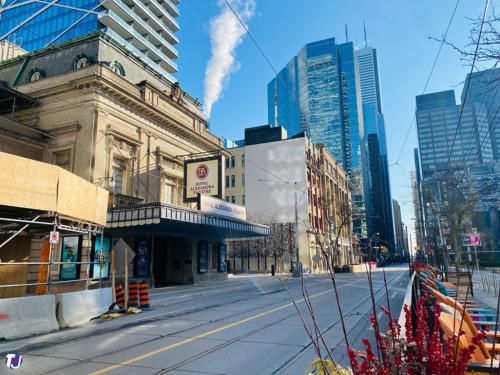
Listen to Norm Pringle chatting with George Formby
on Radio CKXL in Calgary, Canada. This is believed
to be from a previous Canadian tour in 1949.
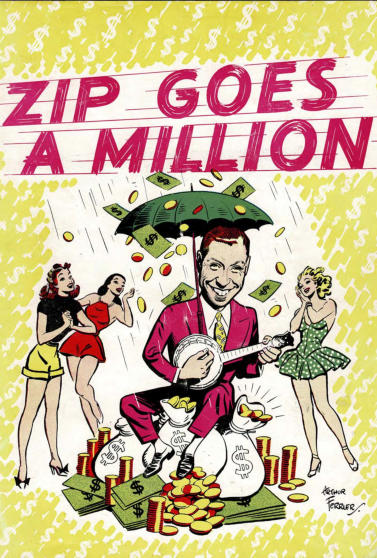
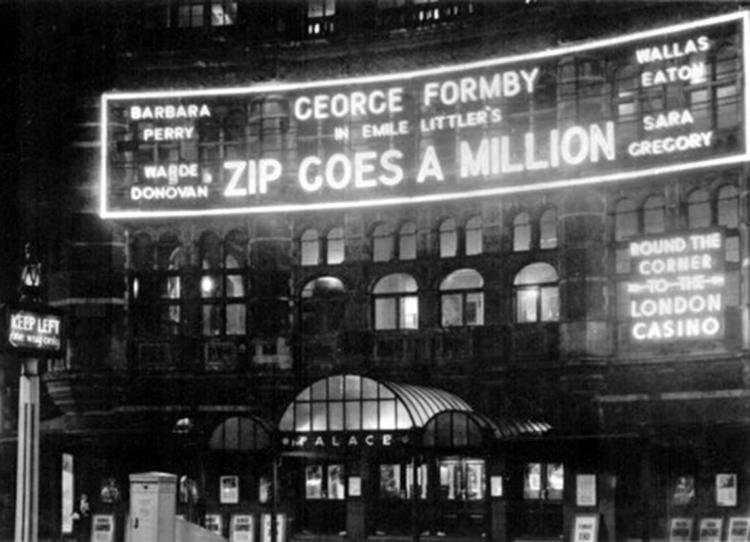
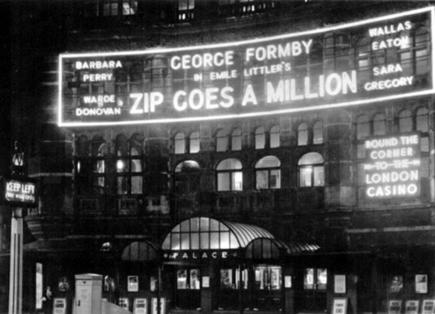
The Palace Theatre, London
October 1950 - 544 performances to February 1953
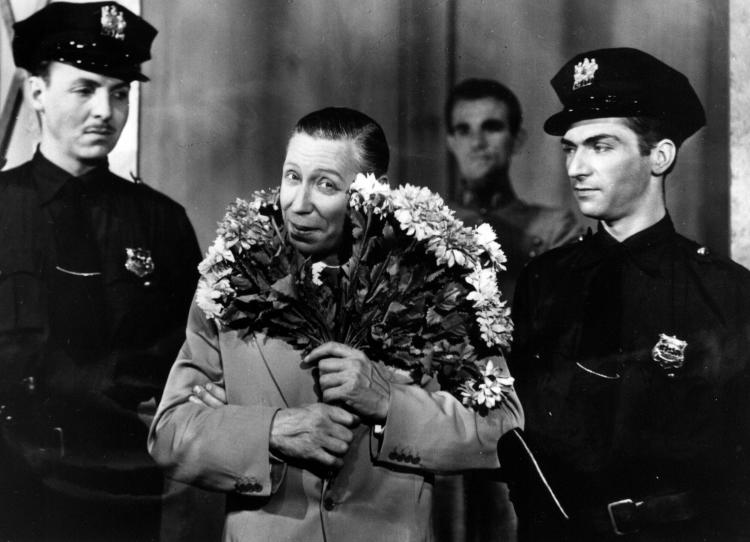
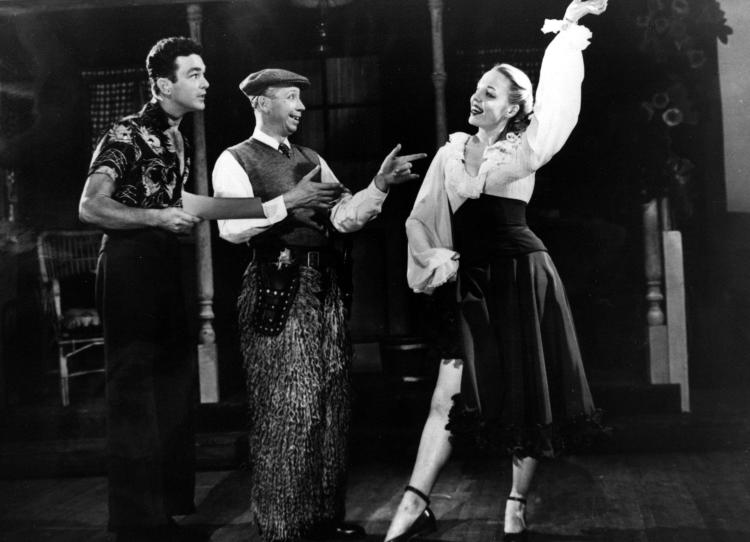
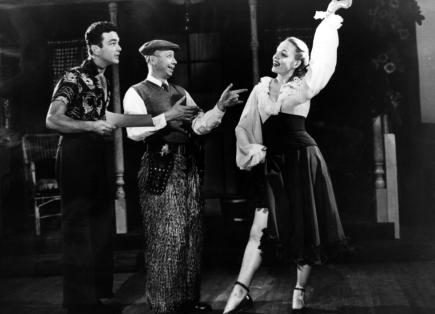
Zip Goes a Million was a highly successful West End
musical that premiered at the Palace Theatre in
London on 20 October 1951 and ran for 544 perform-
ances until February 1953. Based on the 1902
novel Brewster's Millions, the show featured a book
and lyrics by Eric Maschwitz and music by George
Posford, serving as a vehicle for variety star George
Formby in his musical theatre debut.
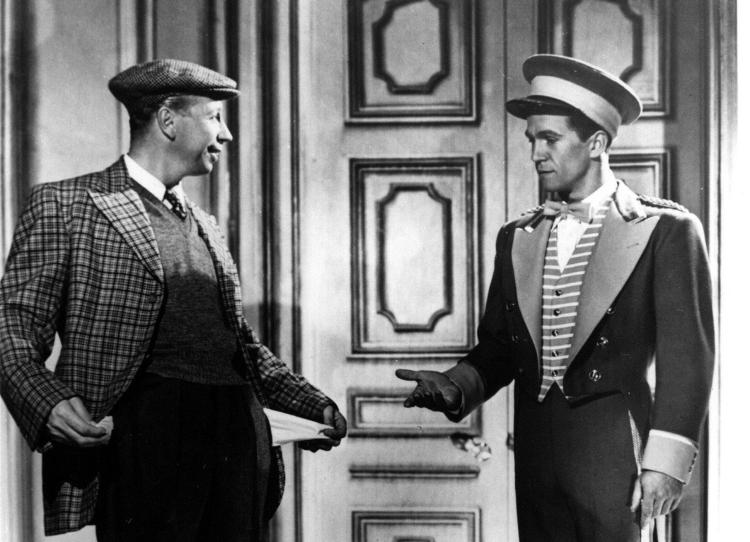
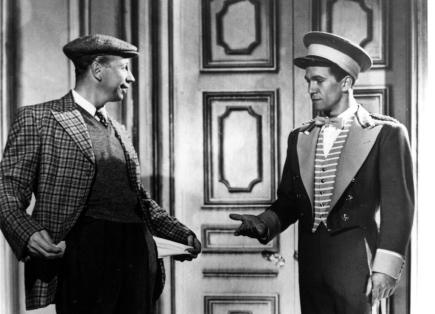
The plot follows Percy Piggott, a window cleaner who
must spend a million dollars in a year to inherit a
larger fortune, leading to comedic attempts at
investing in a failing musical, the stock market, and
horse racing.
Formby starred as Percy but was forced to withdraw
after six months due to a heart attack; he was
replaced by comedian Reg Dixon, who carried the
show to its close

The Windmill Theatre, Great Yarmouth
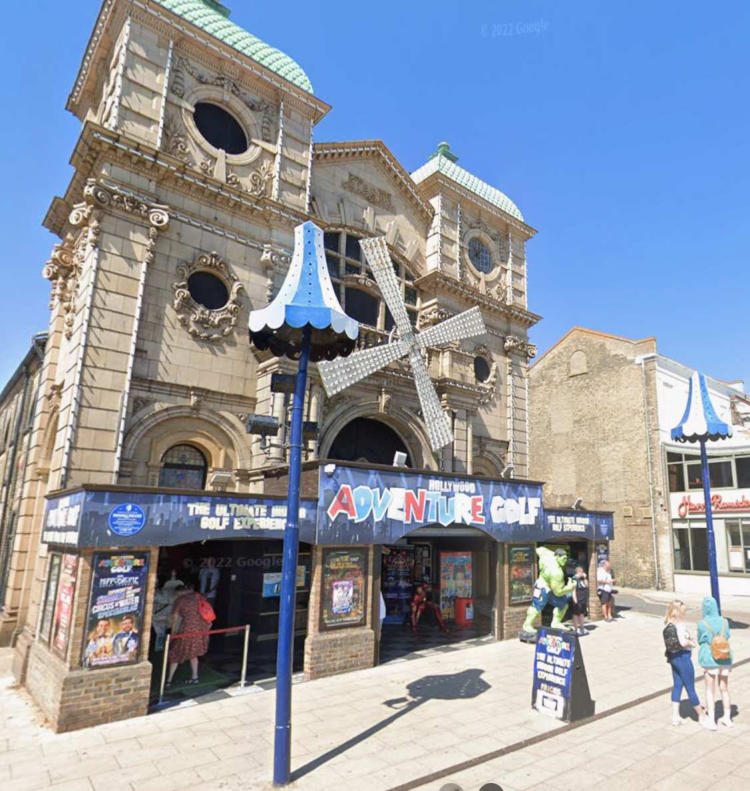
The Windmill Theatre in Great Yarmouth is one of the UK's earliest
cinema buildings, originally opening as The Gem Theatre on 4 July
1908 with a capacity of approximately 700 to 1,000 seats.
Designed by architect Arthur S. Hewitt, it was initially intended as a
menagerie but was converted into a cinema due to local opposition
to wild animal shows, becoming the third 'picture palace' in
Britain and the first purpose-built seaside cinema.
Originally known as the "Palace of Light" due to its façade adorned
with roughly 5,000 electric bulbs, the building operated under a
unique license requiring men and women to sit on separate sides of
the auditorium.
In 1948, it was renamed the Windmill Theatre after being taken
over by Jack Jay, who added iconic sails to the front to pay homage
to the Moulin Rouge in Paris and the historic windmills of the Great
Yarmouth seafront.
Since the 1980s, the venue has ceased live theatrical productions
and now functions as an indoor entertainment
space housing indoor mini-golf, a museum, and attractions similar
to Ripley's Believe It or Not. Despite these changes, the building
remains a Grade II listed structure, retaining its elaborate neo-
Baroque façade, original proscenium arch, and decorative Rococo
plasterwork ceilings.
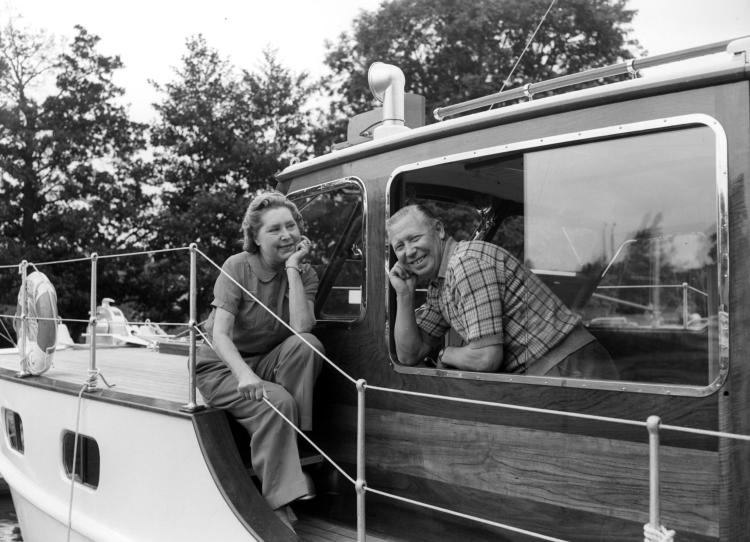
George Formby would have been very comfortable working at
the Windmill Theatre, given the fact that it was so close to he
and Beryl’s beloved Norfolk Broads were they would spend
much of their ‘semi-retired’ years.
George bought a house in Wroxam and owned boats,
especially Lady Beryl I and Lady Beryl II. The photo of George
and Beryl above is taken on Lady Beryl II.
Theatre Programs

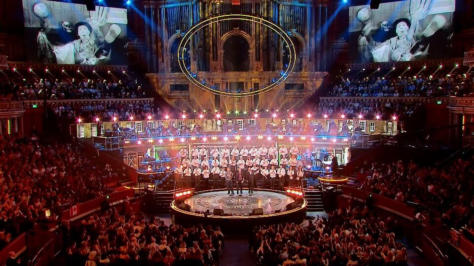
The Royal Albert Hall, London
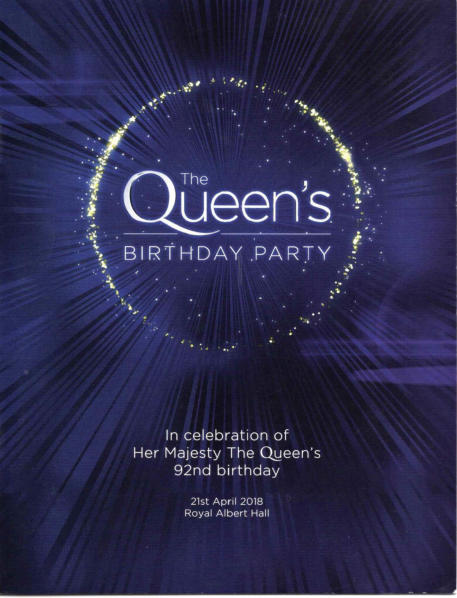
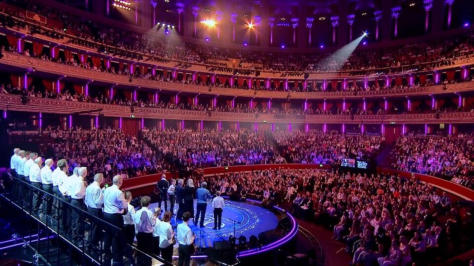
This event has already been covered in considerable detail
elsewhere on the website. Needless to say, when I think back
to 21 April 2018, now more than eight years ago, the memories
remain as vivid as ever. Without doubt, it was the greatest
evening in the long and distinguished history of the George
Formby Society.
The press coverage was excellent. Some journalists
questioned why certain artists had been included on the bill, but
the GFS received outstanding reviews throughout the media.
The event was televised across much of the world and
performed before a capacity audience of over 5,000 people
including the members of The Royal Family.
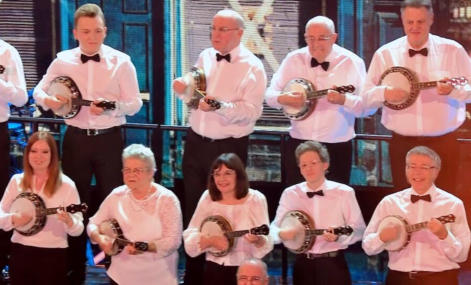
For the forty members selected to take part, it was an evening
that will never be forgotten.

The Odeon Theatre, Bristol
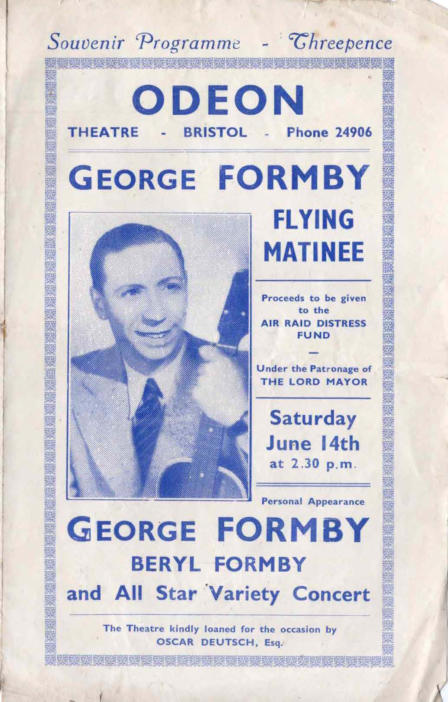
I am indebted to Charlie Evered for loaning me this programme and allowing me to scan it. Normally I would say that there are far too
many words for such a flimsy theatre programme but the notes yielded by Google Gemini for me, make such fascinating reading. PP
NOTES ON THE PROGRAMME PRINTER
Seeing their name explicitly credited on a 1940 theatre
programme helps lock down a very specific era. Local commercial
printers like Mason & Sons were the absolute lifeblood of regional
entertainment, but because they primarily handled short-run
"jobbing work"—like playbills, parish magazines, and local event
programmes—they rarely made it into major national industrial
textbooks.
While they didn't have the massive scale of a conglomerate like
Mardon, a few things tell us exactly how a firm like Mason & Sons
operated in Bristol during that exact window:
The Life of a Theatre "Jobbing" Printer
In 1940, producing a theatre programme was a fast, highly
coordinated local process.
• The Process: A firm like Mason & Sons would keep heavy iron
letterpress printing machines running. Every week, a local theatre
(such as the Bristol Hippodrome, the Theatre Royal, or the Little
Theatre) would send over the cast lists, late running-order
changes, and local shop advertisements.
• The "Imprint": By law (under the Newspapers, Printers, and
Reading Rooms Repeal Act of 1869), printers were strictly
required to put their "imprint"—their name and city—on the very
edge or back page of anything they printed to prevent anonymous
sedition or libel. That is exactly the credit you are looking at!
Printing Through the Blitz
The year on your programme is incredibly significant for a Bristol
business. 1940 was the exact year the Bristol Blitz began in
earnest.
The German Luftwaffe heavily targeted the city centre because of
its docks and manufacturing. A massive portion of Bristol’s historic
printing quarter—which was concentrated tightly around the city
center, Redcliffe, and the old streets near the harbour—was
completely flattened by incendiary bombs between November
1940 and early 1941.
Many family-run operations like Mason & Sons saw their
workshops, paper stocks, and lead type blocks completely
destroyed overnight. If they survived the night raids, they faced
severe wartime paper rationing, meaning programmes from 1940
onward became noticeably thinner, smaller, and rarer.
NOTES ON THE ODEON CINEMA
The piece of the puzzle you just dropped into place fits perfectly. If you are holding a 1940 theatre programme printed by Mason & Sons,
there is a strong possibility it was for the flagship Odeon Cinema on the corner of Union Street and Broadmead.
The year 1940 was arguably the most dramatic, high-stakes year in that cinema's entire history.
A State-of-the-Art Marvel
When 1940 rolled around, the Bristol Odeon was brand new and the pride of the city. It had only just opened on July 16, 1938, built on the
historic site of the old Fry’s Chocolate Factory.
Designed by architect Cecil T. Howitt in the magnificent, streamlined Art Deco style, it was a monolith of entertainment. It featured a
massive single auditorium with nearly 2,000 luxurious seats, stunning modern coved lighting, and a grand striking tower on the exterior.
In 1939, a dashing 32-year-old former actor and radio presenter named Robert Parrington Jackson took over as the general manager to
steer the theatre through the newly declared war.
•
Drama in the Dark: The 1940 Blitz
While movies offered the citizens of Bristol a desperate, temporary escape from wartime anxiety, the war literally crashed through the
Odeon's doors in late 1940.
During the catastrophic first wave of the Bristol Blitz on the night of Sunday, November 24, 1940, the entire shopping quarter around
Broadmead and Union Street was targeted by the German Luftwaffe. The Odeon barely survived due to two incredible events that night:
•
The Flooded Basement: A high-explosive bomb made a direct hit right on the street corner just outside the cinema. It shattered an
underground culvert that channelled the River Frome. Millions of gallons of muddy river water broke loose, entirely filling the Odeon's
basement with six feet of water and forcing the cinema to abruptly close for a fortnight.
•
The Hero on the Roof: While the basement was flooding, German incendiary (fire) bombs rained down directly onto the cinema’s flat
roof. The building would have burnt to the ground—a fate that completely destroyed five other major Bristol cinemas, including the
Odeon’s fierce rival, The Regent—if not for the theatre's projectionist, Don Cottle. He bravely scaled the building during the active air
raid, scrambled onto the roof, and manually extinguished the fires before they could take hold.
The 1946 Post-Script (The Ghost of the Odeon)
Though it survived 1940, this exact cinema became the site of one of the UK’s most legendary real-life murder mysteries.
In May 1946, manager Robert Parrington Jackson (the same man running it in 1940) was found shot twice in his office during a screening
of The Light That Failed. The killer had cleverly timed the gunshots to match the audio of a gun battle playing on the screen to 2,000
unsuspecting audience members. The murder was never officially solved, and for decades, staff insisted the Art Deco cinema was
haunted by his ghost.
NOTES ON THE PROGRAMME
This is an absolutely stunning piece of history. Seeing this image bridges the gap completely, and it tells a brilliant, distinctly British story
of wartime morale.
This layout highlights several fascinating details about what you are holding:
1. The Context of the "Flying Matinee"
George Formby was the UK's biggest, highest-paid entertainer at the time, and during the war, he and his wife Beryl worked tirelessly for
the war effort. A "Flying Matinee" meant Formby was literally flying or rushing between cities to do whistle-stop, one-off afternoon charity
concerts. Because he was a massive crowd-puller, he could fill a 2,000-seat theatre at 2:30 pm. on a Saturday, raise a small fortune, and
move on to the next town.
2. The Air Raid Distress Fund
The programme states the proceeds went to the Air Raid Distress Fund, under the patronage of the Lord Mayor. This confirms the exact
atmosphere in Bristol. Though the catastrophic night raids of the Bristol Blitz peaked later in November 1940, Bristol was already being
actively bombed in the summer of 1940. This concert was raised directly to support local families who were losing their homes to
German bombers.
3. The Print Artefacts (Why it's Blue and Flimsy)
Your observation that it is flimsy and entirely monochrome blue is a perfect fingerprint of Mason & Sons working under wartime
restrictions:
• The Ink: During the war, coloured inks—especially standard black—were heavily rationed or strictly controlled because the carbon
black and chemical pigments were diverted to military manufacturing (like camouflage, rubber, and explosives). Printers frequently had to
use whatever odd batches of ink they had left in stock, making single-run blue ink highly characteristic of emergency wartime printing.
• The Paper: The "Souvenir Programme – Threepence" header is almost ironic; normally, a souvenir booklet would be thick, glossy
card stock. Because the Ministry of Supply tightly rationed paper pulps for anything non-military, Mason & Sons had to use thin,
lightweight, non-export grade paper.
• The Border: Notice the heavily repeated patterned border around the edge? That is a classic letterpress "printer's token" or border
type. A small local shop like Mason & Sons would have standard blocks of these borders sitting in a drawer, assembling them like Lego
to create a frame quickly without needing custom graphic artwork.
4. Oscar Deutsch's Blessing
At the very bottom, it notes: "The Theatre kindly loaned for the occasion by OSCAR DEUTSCH, Esq." Oscar Deutsch was the legendary,
visionary founder of the Odeon cinema chain (in fact, "ODEON" was often popularised as an acronym for Oscar Deutsch Entertains Our
Nation). Tragically, Deutsch was battling terminal cancer in 1940 and passed away just a year later in 1941. This programme captures a
moment where he personally authorised handing over his brand-new flagship Bristol theatre for the charity drive.
You have a genuinely rare survivor here. Most of these flimsy threepence programmes were read once, rolled up, and thrown straight
into the wartime paper salvage drives to be recycled into shell casings or gas mask boxes. It's fantastic that this one escaped the scrap
heap!
This item kindly loaned by Charlie Evered
Notes supplied by Google Gemini AI
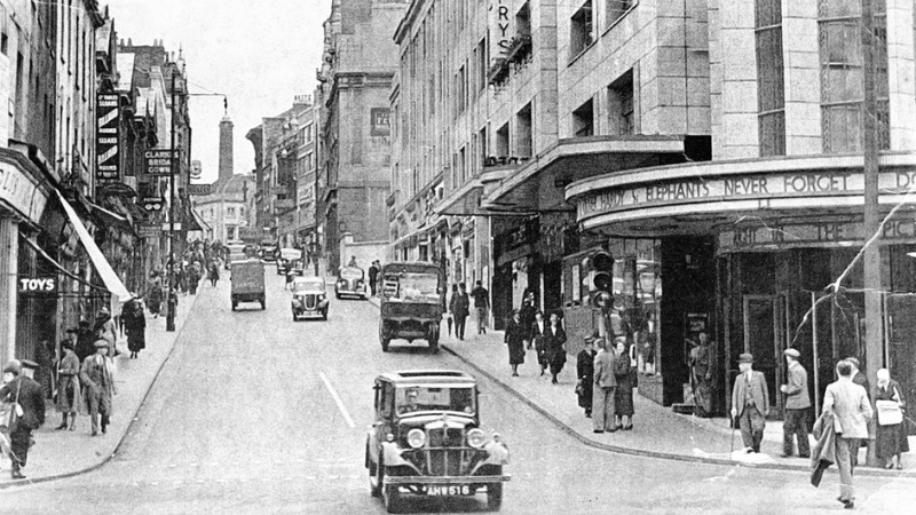
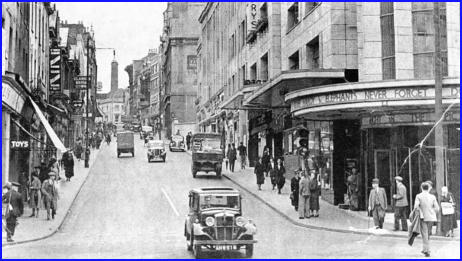
Oscar Deutsch's Showcase Odeon Cinema in Bristol














The Hippodrome, Hulme
It was originally known as the Grand Junction Theatre and Floral Hall, and opened on 7 October 1901 on the former main road of Preston Street, Hulme, (now Clopton Walk) and with stage access is from Warwick Street The Hulme Hippodrome theatre is located in the same building and shares a party wall with its small sibling theatre, The Playhouse. The Hippodrome was a music hall and variety theatre, a repertory theatre in the 1940s, and hired on Sundays for recording BBC programmes with live audiences between 1950 and 1956. The theatre has been closed since 2018 and a campaign group exists to bring it back into use as a community resource, where the current owner is seeking permission to build apartments. Its local name in memoirs and records is 'Hulme Hipp'. Its national heritage significance includes being the venue for live recording the first three series of BBC programmes by the comedians Morecambe and Wise.Frank Formby
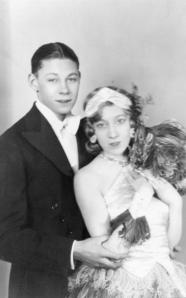
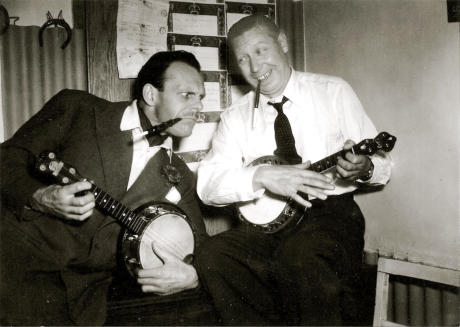
Frank was born on 1 April 1913 in Hindley House, Wigan. His early stage career took a similar path as his elder brother, impersonating his father, George Formby Sr. we get a glimpse of his early act in the 1935 Pathé film, “Following In Father’s Footsteps,” where Frank can be seen singing his father’s signature song, Standing At The Corner Of The Street. Along with being a brilliant tribute act to his father, Frank was a good tap dancer and a great stand-up comic. Realising his brother’s growing popularity, Frank introduced the banjo-uke into his act and began singing popular songs, including numbers made famous by his brother George. Fank was made guest of honour at the inaugural meeting of the George Formby society in September 1961. Members took great pleasure in listening to his memories of his brother George and also hearing him play his banjo-uke, singing his famous song It’s “Another Fellas Job By Now.”
In the week the programme was issued, Frank
Formby (with his sister Louie) along with Albert
Modley featured on the programme. Also featuring
were The Maple Leaf Four who were a very popular
singing quartet in the 1950s on BBC Radio. The page
opposite is from the radio Times and informs the
listener that the Maple Leaf Four could be heard on
the Light Programme at 20:30 in Smokey Mountain
Jamboree.

George Formby in The Time of Your Life
The Queen’s Theatre, Blackpool
"The Time of Your Life" was a summer season variety show starring George Formby that ran at the Queen's Theatre in Blackpool in 1960. It was a significant performance as it was one of the last major engagements in Formby's final year of work before his death in March 1961. The show featured George Formby as the main star, supported by singer Yana, comedian Jimmy Clitheroe, Toni Dalli, and the Amin Brothers. The show was a traditional summer revue, often featuring the banjolele and popular songs that formed his famous act. The 1960 season was a tumultuous time for Formby. His health was failing, he had high blood pressure, heart problems, and was overweight. Beryl, Formby's wife and manager, was often absent from the theatre due to worsening illness (leukaemia). The performance in Blackpool was also broadcast by the BBC. While Formby was physically frail, reviewers and colleagues generally noted that in the theatre environment, his rapport with the audience remained strong. The show is often remembered by fans and historians as one of the last chances to see Formby in his natural element—the northern seaside summer season—before his passing shortly after.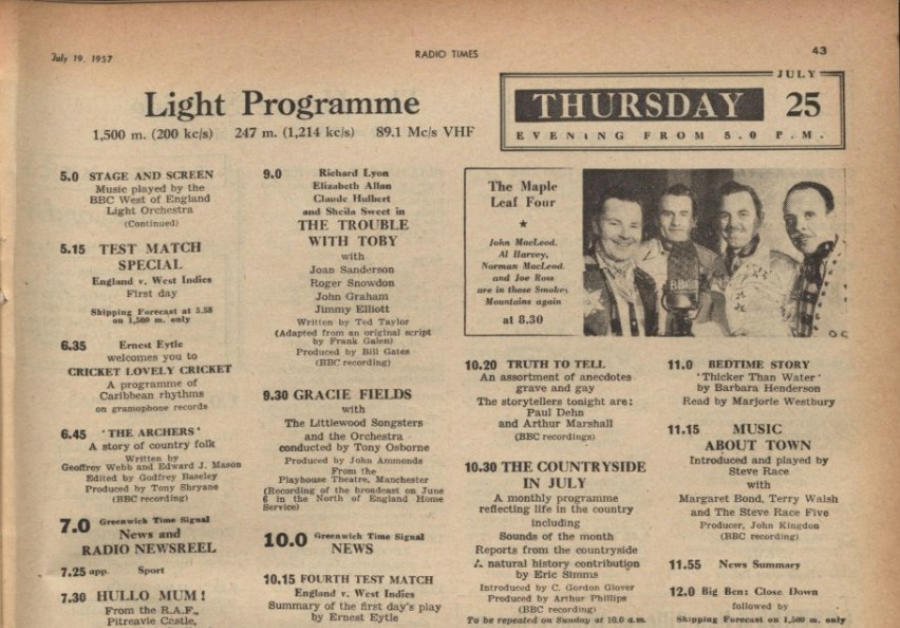
Royal Variety Performance
The Opera House, Blackpool - 13 April 1955
The 1955 Royal Variety Performance held at the Blackpool Opera House on 13th April was a historic event, marking the first time the show was staged outside London. The performance took place in the presence of Queen Elizabeth II and HRH The Duke of Edinburgh, who visited the theatre following a Royal Tour of Lancashire. The show featured a star-studded line-up of acts familiar to Blackpool audiences, including George Formby, Arthur Askey, Reginald Dixon, Jimmy Jewel & Ben Warriss, Charlie Cairoli, Eddie Fisher, and a young Morecambe and Wise. Other notable performers included The Crazy Gang, The John Tiller Girls, Flanagan & Allen, and the slapstick duo Lauri Lupino Lane and George Truzzi. To accommodate the royal visit, a special Royal Box was constructed specifically for the occasion, which remained in the theatre for many years before being demolished. While 1955 featured two Royal Variety Performances (the second being in London), the Blackpool event is particularly noted for its regional significance and the attendance of the future reigning monarch. The show was presented by Jack Hylton, with musical direction by Billy Ternent and Ronnie Munro. This historic performance paved the way for future Royal Varieties in Blackpool, which subsequently occurred in 2009 and 2020.
FUN AND THE FAIR
The London Palladium - October to December 1953
Fun and the Fair was a revue that ran at the London Palladium from October to December 1953, featuring George Formby in 138 performances alongside Terry-Thomas and the Billy Cotton band. Formby appeared in the penultimate act, while Terry-Thomas closed the show, a decision that reportedly left Formby suffering from stage fright and a return of his depression and stomach problems. Although Formby's act was well-received, the production was not as successful as hoped. Terry-Thomas later noted that Formby's performance put the audience in a mood that made them unresponsive to anyone following, leading him to request a schedule change so Formby could close the show, a request that was denied.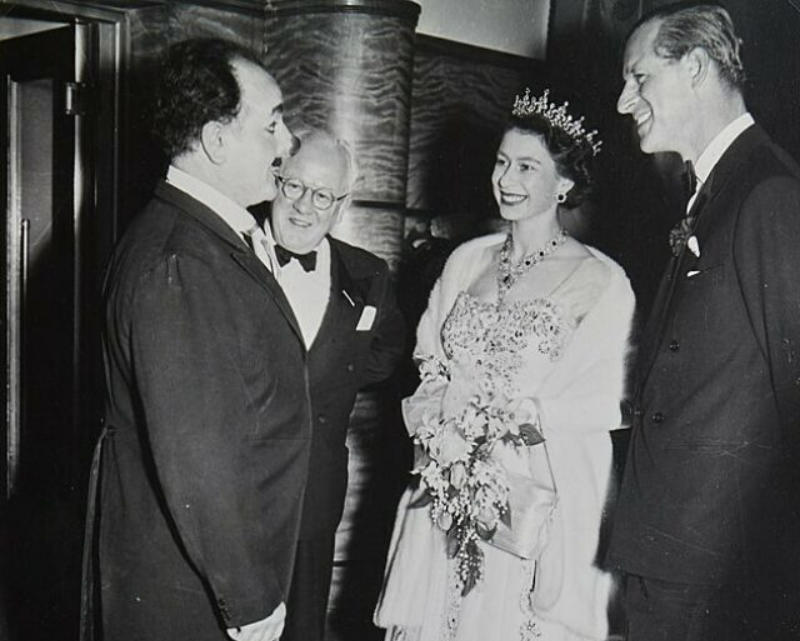
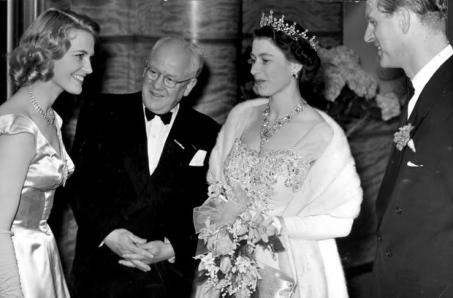
THE QUEEN AND PRINCE PHILIP MEET CHARLIE CAIROLIi
JOAN REGAN MEETS QUEEN ELIZABETH II AND PRINCE PHILIP
ROYAL ALEXANDRA THEATRE
September 1950 - Toronto, Canada
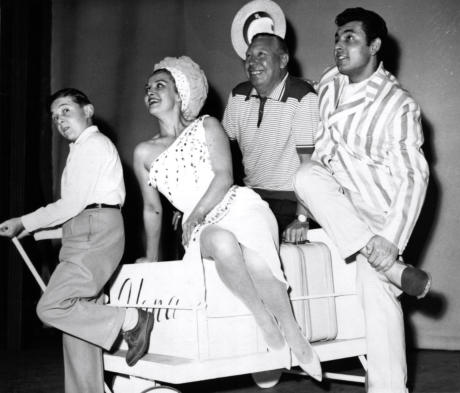
FROM LEFT: JIMMY CLITHEROE, YANA, GEORGE FORMBY TONI DALLI
THE QUEEN’S THEATRE AT THE TIME THE SHOW WAS THERE
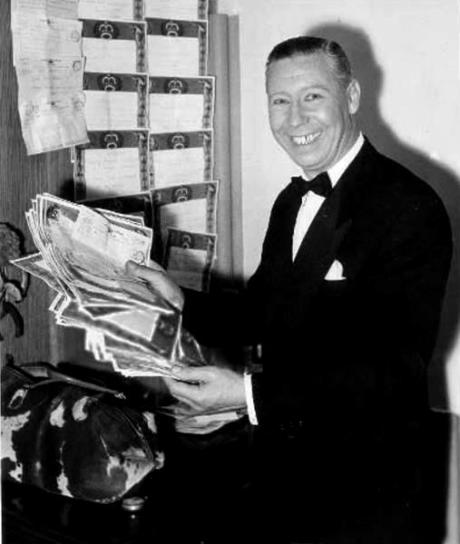
FUN AND THE FAIR
The London Palladium - October to December 1953
Top picture: TERRY THOMAS AND GEORGE FORMBY
Above: GEORGE FORMBY READS MESSAGES FROM WELL-WISHERS
Listen to Norm Pringle chatting with George Formby
on Radio CKXL in Calgary, Canada. This is believed
to be from a previous Canadian tour in 1949.
The Palace Theatre, London
October 1950 - 544 performances to February 1953
Zip Goes a Million was a highly successful West End
musical that premiered at the Palace Theatre in
London on 20 October 1951 and ran for 544 perform-
ances until February 1953. Based on the 1902
novel Brewster's Millions, the show featured a book
and lyrics by Eric Maschwitz and music by George
Posford, serving as a vehicle for variety star George
Formby in his musical theatre debut.
The plot follows Percy Piggott, a window cleaner who
must spend a million dollars in a year to inherit a
larger fortune, leading to comedic attempts at
investing in a failing musical, the stock market, and
horse racing.
Formby starred as Percy but was forced to withdraw
after six months due to a heart attack; he was
replaced by comedian Reg Dixon, who carried the
show to its close

The Windmill Theatre, Great Yarmouth
The Windmill Theatre in Great Yarmouth is one of the UK's
earliest cinema buildings, originally opening as The Gem
Theatre on 4 July 1908 with a capacity of approximately 700 to
1,000 seats.
Designed by architect Arthur S. Hewitt, it was initially intended as
a menagerie but was converted into a cinema due to local
opposition to wild animal shows, becoming the third 'picture
palace' in Britain and the first purpose-built seaside cinema.
Originally known as the "Palace of Light" due to its façade
adorned with roughly 5,000 electric bulbs, the building operated
under a unique license requiring men and women to sit on
separate sides of the auditorium.
In 1948, it was renamed the Windmill Theatre after being taken
over by Jack Jay, who added iconic sails to the front to pay
homage to the Moulin Rouge in Paris and the historic windmills
of the Great Yarmouth seafront.
Since the 1980s, the venue has ceased live theatrical
productions and now functions as an indoor entertainment
space housing indoor mini-golf, a museum, and attractions
similar to Ripley's Believe It or Not. Despite these changes, the
building remains a Grade II listed structure, retaining its
elaborate neo-Baroque façade, original proscenium arch, and
decorative Rococo plasterwork ceilings.
George Formby would have been very comfortable working at
the Windmill Theatre, given the fact that it was so close to he
and Beryl’s beloved Norfolk Broads were they would spend
much of their ‘semi-retired’ years.
George bought a house in Wroxam and owned boats,
especially Lady Beryl I and Lady Beryl II. The photo of George
and Beryl above is taken on Lady Beryl II.
Theatre Programs
gfs archives

The Royal Albert Hall, London
This event has already been covered in considerable detail
elsewhere on the website. Needless to say, when I think back
to 21 April 2018, now more than eight years ago, the memories
remain as vivid as ever. Without doubt, it was the greatest
evening in the long and distinguished history of the George
Formby Society.
The press coverage was excellent. Some journalists
questioned why certain artists had been included on the bill, but
the GFS received outstanding reviews throughout the media.
The event was televised across much of the world and
performed before a capacity audience of over 5,000 people
including the members of The Royal Family.
For the forty members selected to take part, it was an evening
that will never be forgotten.
The Odeon Theatre, Bristol
This item kindly loaned by Charlie Evered
NOTES ON THE PROGRAMME PRINTER
Seeing their name explicitly credited on a 1940 theatre
programme helps lock down a very specific era. Local commercial
printers like Mason & Sons were the absolute lifeblood of regional
entertainment, but because they primarily handled short-run
"jobbing work"—like playbills, parish magazines, and local event
programmes—they rarely made it into major national industrial
textbooks.
While they didn't have the massive scale of a conglomerate like
Mardon, a few things tell us exactly how a firm like Mason & Sons
operated in Bristol during that exact window:
The Life of a Theatre "Jobbing" Printer
In 1940, producing a theatre programme was a fast, highly
coordinated local process.
• The Process: A firm like Mason & Sons would keep heavy iron
letterpress printing machines running. Every week, a local theatre
(such as the Bristol Hippodrome, the Theatre Royal, or the Little
Theatre) would send over the cast lists, late running-order
changes, and local shop advertisements.
• The "Imprint": By law (under the Newspapers, Printers, and
Reading Rooms Repeal Act of 1869), printers were strictly
required to put their "imprint"—their name and city—on the very
edge or back page of anything they printed to prevent anonymous
sedition or libel. That is exactly the credit you are looking at!
Printing Through the Blitz
The year on your programme is incredibly significant for a Bristol
business. 1940 was the exact year the Bristol Blitz began in
earnest.
The German Luftwaffe heavily targeted the city centre because of
its docks and manufacturing. A massive portion of Bristol’s historic
printing quarter—which was concentrated tightly around the city
center, Redcliffe, and the old streets near the harbour—was
completely flattened by incendiary bombs between November
1940 and early 1941.
Many family-run operations like Mason & Sons saw their
workshops, paper stocks, and lead type blocks completely
destroyed overnight. If they survived the night raids, they faced
severe wartime paper rationing, meaning programmes from 1940
onward became noticeably thinner, smaller, and rarer.
NOTES ON THE ODEON CINEMA
The piece of the puzzle you just dropped into place fits perfectly.
If you are holding a 1940 theatre programme printed by Mason &
Sons, there is a strong possibility it was for the flagship Odeon
Cinema on the corner of Union Street and Broadmead.
The year 1940 was arguably the most dramatic, high-stakes year
in that cinema's entire history.
A State-of-the-Art Marvel
When 1940 rolled around, the Bristol Odeon was brand new and
the pride of the city. It had only just opened on July 16, 1938, built
on the historic site of the old Fry’s Chocolate Factory.
Designed by architect Cecil T. Howitt in the magnificent,
streamlined Art Deco style, it was a monolith of entertainment. It
featured a massive single auditorium with nearly 2,000 luxurious
seats, stunning modern coved lighting, and a grand striking tower
on the exterior.
In 1939, a dashing 32-year-old former actor and radio presenter
named Robert Parrington Jackson took over as the general
manager to steer the theatre through the newly declared war.
•
Drama in the Dark: The 1940 Blitz
While movies offered the citizens of Bristol a desperate,
temporary escape from wartime anxiety, the war literally crashed
through the Odeon's doors in late 1940.
During the catastrophic first wave of the Bristol Blitz on the night
of Sunday, November 24, 1940, the entire shopping quarter
around Broadmead and Union Street was targeted by the
German Luftwaffe. The Odeon barely survived due to two
incredible events that night:
•
The Flooded Basement: A high-explosive bomb made a
direct hit right on the street corner just outside the cinema. It
shattered an underground culvert that channelled the River
Frome. Millions of gallons of muddy river water broke loose,
entirely filling the Odeon's basement with six feet of water and
forcing the cinema to abruptly close for a fortnight.
•
The Hero on the Roof: While the basement was flooding,
German incendiary (fire) bombs rained down directly onto the
cinema’s flat roof. The building would have burnt to the
ground—a fate that completely destroyed five other major
Bristol cinemas, including the Odeon’s fierce rival, The
Regent—if not for the theatre's projectionist, Don Cottle. He
bravely scaled the building during the active air raid,
scrambled onto the roof, and manually extinguished the fires
before they could take hold.
The 1946 Post-Script (The Ghost of the Odeon)
Though it survived 1940, this exact cinema became the site of
one of the UK’s most legendary real-life murder mysteries.
In May 1946, manager Robert Parrington Jackson (the same man
running it in 1940) was found shot twice in his office during a
screening of The Light That Failed. The killer had cleverly timed
the gunshots to match the audio of a gun battle playing on the
screen to 2,000 unsuspecting audience members. The murder
was never officially solved, and for decades, staff insisted the Art
Deco cinema was haunted by his ghost.
NOTES ON THE PROGRAMME
This is an absolutely stunning piece of history. Seeing this image
bridges the gap completely, and it tells a brilliant, distinctly British
story of wartime morale.
This layout highlights several fascinating details about what you
are holding:
1. The Context of the "Flying Matinee"
George Formby was the UK's biggest, highest-paid entertainer at
the time, and during the war, he and his wife Beryl worked
tirelessly for the war effort. A "Flying Matinee" meant Formby was
literally flying or rushing between cities to do whistle-stop, one-off
afternoon charity concerts. Because he was a massive crowd-
puller, he could fill a 2,000-seat theatre at 2:30 pm. on a Saturday,
raise a small fortune, and move on to the next town.
2. The Air Raid Distress Fund
The programme states the proceeds went to the Air Raid Distress
Fund, under the patronage of the Lord Mayor. This confirms the
exact atmosphere in Bristol. Though the catastrophic night raids
of the Bristol Blitz peaked later in November 1940, Bristol was
already being actively bombed in the summer of 1940. This
concert was raised directly to support local families who were
losing their homes to German bombers.
3. The Print Artefacts (Why it's Blue and Flimsy)
Your observation that it is flimsy and entirely monochrome blue is
a perfect fingerprint of Mason & Sons working under wartime
restrictions:
• The Ink: During the war, coloured inks—especially standard
black—were heavily rationed or strictly controlled because the
carbon black and chemical pigments were diverted to military
manufacturing (like camouflage, rubber, and explosives). Printers
frequently had to use whatever odd batches of ink they had left in
stock, making single-run blue ink highly characteristic of
emergency wartime printing.
• The Paper: The "Souvenir Programme – Threepence" header
is almost ironic; normally, a souvenir booklet would be thick,
glossy card stock. Because the Ministry of Supply tightly rationed
paper pulps for anything non-military, Mason & Sons had to use
thin, lightweight, non-export grade paper.
• The Border: Notice the heavily repeated patterned border
around the edge? That is a classic letterpress "printer's token" or
border type. A small local shop like Mason & Sons would have
standard blocks of these borders sitting in a drawer, assembling
them like Lego to create a frame quickly without needing custom
graphic artwork.
4. Oscar Deutsch's Blessing
At the very bottom, it notes: "The Theatre kindly loaned for the
occasion by OSCAR DEUTSCH, Esq." Oscar Deutsch was the
legendary, visionary founder of the Odeon cinema chain (in fact,
"ODEON" was often popularised as an acronym for Oscar
Deutsch Entertains Our Nation). Tragically, Deutsch was battling
terminal cancer in 1940 and passed away just a year later in
1941. This programme captures a moment where he personally
authorised handing over his brand-new flagship Bristol theatre for
the charity drive.
You have a genuinely rare survivor here. Most of these flimsy
threepence programmes were read once, rolled up, and thrown
straight into the wartime paper salvage drives to be recycled into
shell casings or gas mask boxes. It's fantastic that this one
escaped the scrap heap!
Notes supplied by Google Gemini AI
I am indebted to Charlie Evered for loaning me this programme
and allowing me to scan it. Normally I would say that there are
far too many words for such a flimsy theatre programme but the
notes yielded by Google Gemini for me, make such fascinating
reading. PP
Oscar Deutsch's Showcase Odeon Cinema in Bristol
















