GFS Archives



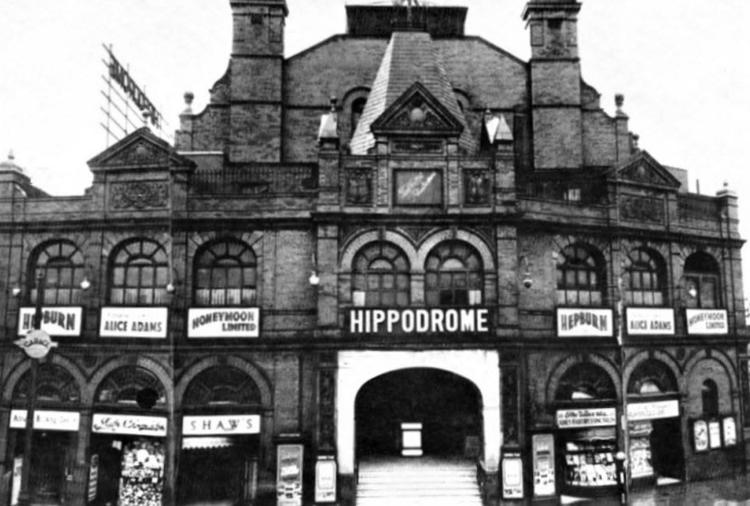
Hippodrome Theatre, Blackpool
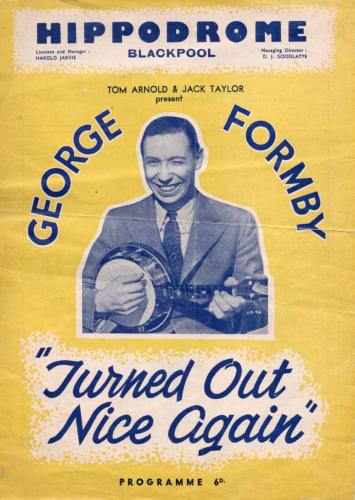
George Formby starred in the summer season show Turned Out Nice Again in Blackpool starting on June 25, 1954.The production took
place at the refurbished Blackpool Hippodrome and was scheduled for a 13-week run, but it closed after only six weeks due to Formby's
recurring health issues. (Note: "Turned Out Nice Again" was also famously used as the title of his 1939 summer season show at the
Blackpool Opera House).
Read about the Hippodrome at this link
Hippodrome Theatre, Blackpool
Shepherd's Bush Empire
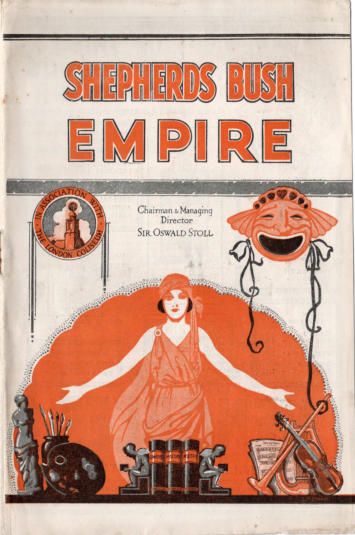
What a pleasure to display such a rare item! Billed as George
Formby Junior and the date of this show was Monday 16
February 1925.
The Shepherd's Bush Empire first opened to the public on
August 17, 1903.
Read about the Shepherds Bush Empire at this link
Shepherd's Bush Empire
The Royal Albert Hall - 28 December 1941
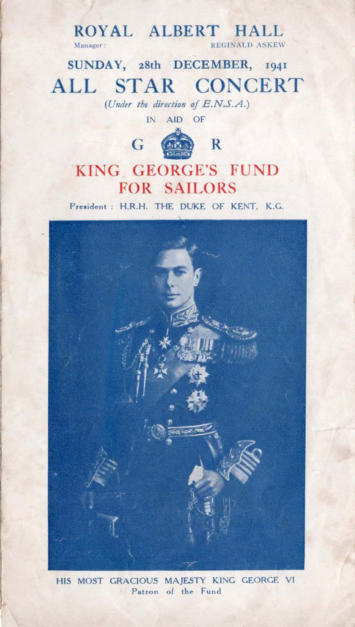
This star-studded All Star Concert took place on the af-
ternoon of Sunday, December 28, 1941, at the Royal
Albert Hall. Organized under the direction of ENSA
(Entertainments National Service Association), the event
was held in aid of King George's Fund for Sailors, with
King George VI serving as patron of the fund.
Given the wartime context, the concert brought together
an extraordinary roster of classical musicians, popular
radio stars, West End actors, and military bands to boost
morale and raise funds for naval personnel. `
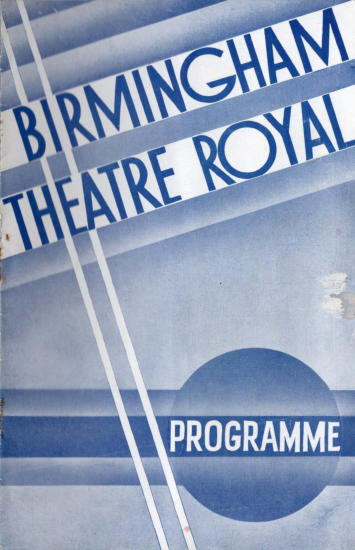

Birmingham Theatre Royal - 15 February 1937
George appeared in many pantomimes throughout his
forty-year career. This one is Dick Whittington from
1937.
The Theatre Royal, Birmingham was built in 1774 and
demolished in 1956.
Dick Whittington and his cat has been a favourite subject for British pantomimes since pre-Victorian days, especially in the Christmas season.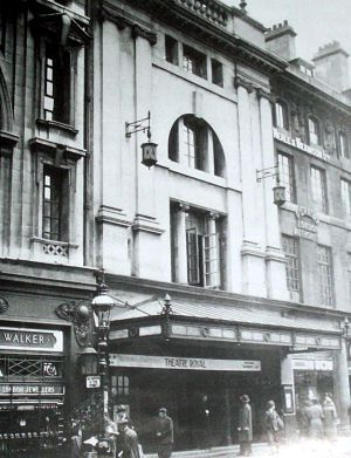
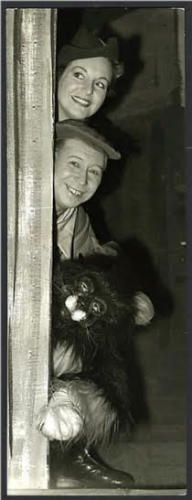
Birmingham Theatre Royal

Liverpool Empire 1948/49
Photo from a later production of
Dick Whittington
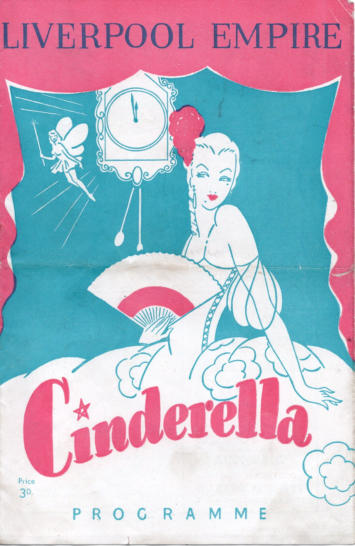
This programme is for the December 1948 – February 1949
pantomime season.
Opening Date: 24 December 1948 (running through early
1949).
Read about the Empire at this link
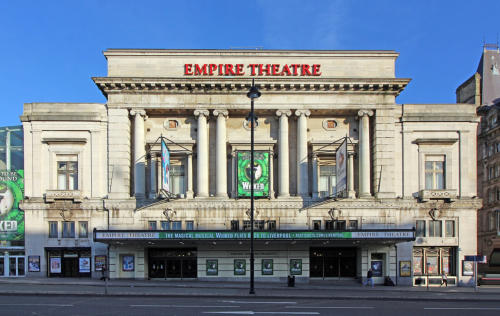
Liverpool Empire
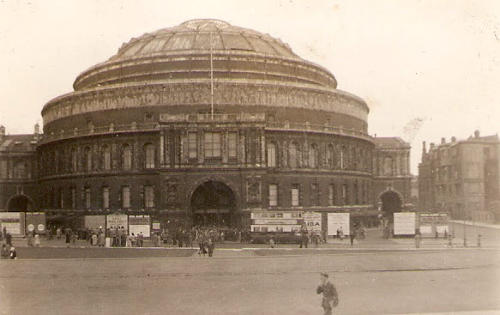
The Royal Albert Hall in the 1940s
The Palace Theatre Manchester - 1938/39
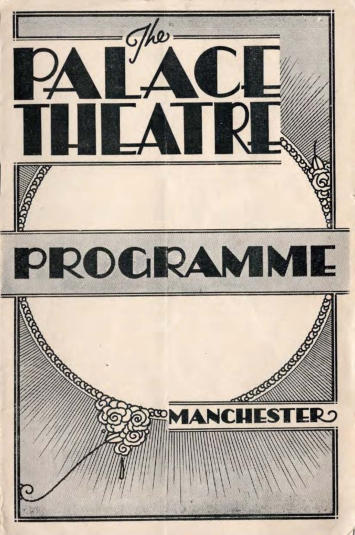
This programme is for the 24th December 1938 to perhaps February
1939 production of Dick Whittington pantomime season. George
played Idle Jack.
George Formby's O.K. Club for Kids During the run of this pantomime, young audience members could purchase an official membership badge for one penny. True to Formby's strong ties to the North of England, 100% of the proceeds from these badges were split directly between two prominent local newspaper charities of the era :The "Chronicle" Cinderella Fund (run by the Manchester Evening Chronicle). The "Evening News" White Heather Fund (run by the Manchester Evening News). Both of these funds were dedicated to providing clothing, footwear, holiday outings, and Christmas treats for underprivileged children living in Manchester and Salford.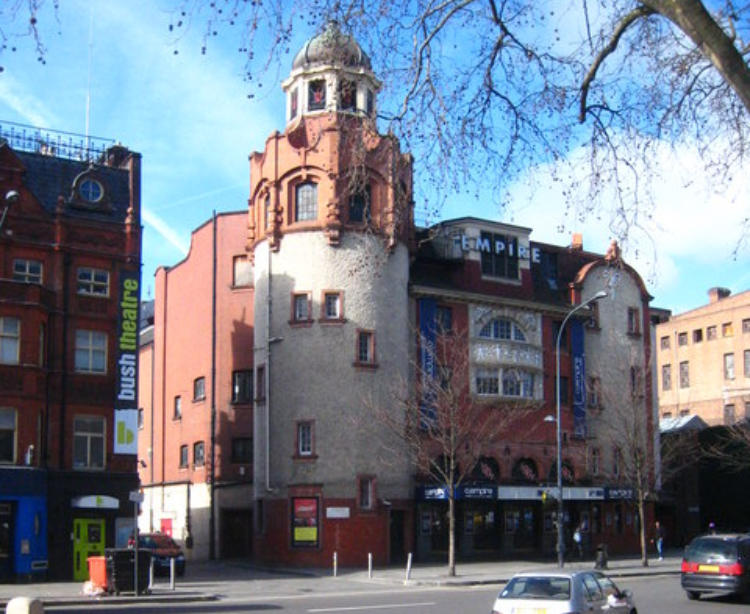
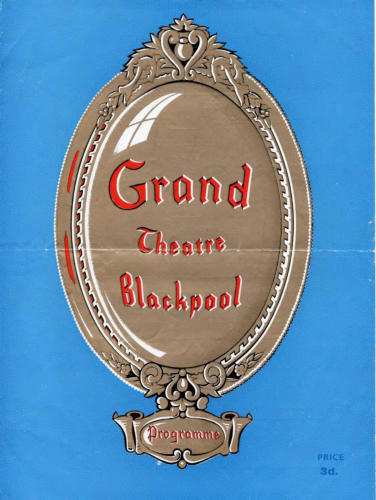
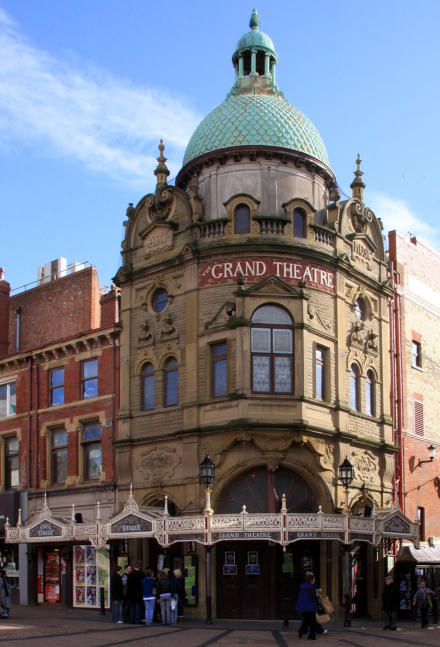
Grand Theatre Blackpool
Grand Theatre Blackpool
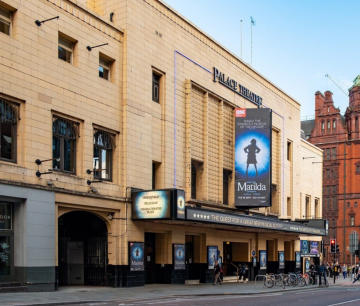
Beside The Seaside
George Formby starred in Beside the Seaside, a lively comedy written by Leslie Sands.
The entire story takes place in the sitting room of "Seaview," a seaside boarding house. The time is set during the "height of the summer
season"—making its April run in Blackpool a perfect precursor to the holiday rush.
George's played Wilf Pearson. This was a classic, everyday Northern character archetype, playing opposite Barbara Mitchell who starred
as his wife, Ethel Pearson.
The show ran for a week starting Monday, April 28th, 1958.
The Venue: Grand Theatre, Blackpool, which was managed at the time by the famous Blackpool Tower Co. Ltd.
Show times: It ran nightly at 7:30 PM, with a Wednesday matinee at 2:30 PM, and a double-feature on Saturday at 5:00 PM and 8:15 PM.
Even though this was a straight play, the theatre found a clever way to honour George's musical roots. During the 15-minute interval
between Act I and Act II, the house pianists ("The Two B's"—Ernest Broadbent and Dennis Boocock) performed a special musical
arrangement titled "George Formby Favourites" on two pianos.
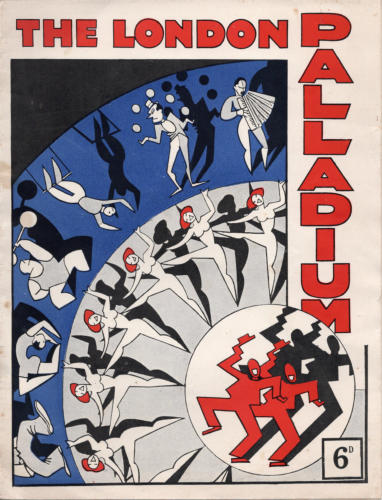
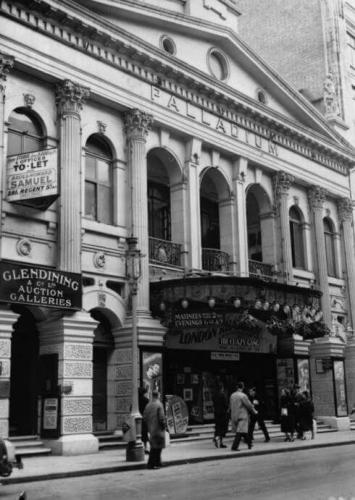
The London Palladium - June 1939
The London Palladium - June 1939 - Chat GPT notes
What makes the date especially interesting is that it falls just three weeks
before the outbreak of the Second World War.
It also appears to represent a short-lived variety bill immediately before the
Palladium opened Jack Hylton's stage version of the enormously popular
BBC comedy Band Waggon on 3 July 1939.
"Here Monday Next – An Enlarged Version of the B.B.C. Radio Feature
BAND WAGON"
The stage production starred Arthur Askey, Richard "Stinker" Murdoch,
Florence Desmond, Tommy Trinder and Syd Walker. The Palladium
engagement began on 3 July, and the show was still playing when war was
declared on 3 September 1939.
The presence of Naunton Wayne and, particularly, the Dandridge Sisters
makes this a rather more historically interesting bill than it might initially
appear.
Naunton Wayne
Naunton Wayne was already known to cinema audiences in 1939. Today he
is probably best remembered as one half of the wonderfully dry-humoured
pair Charters and Caldicott in Alfred Hitchcock's The Lady Vanishes (1938).
He went on to have a long career in British films, and his appearance here
shows the close relationship between variety, radio and the British film
industry at the end of the 1930s.
The Three Dandridge Sisters — probably the most important act
historically
This is, I think, the real jewel in the programme.
The trio consisted of Vivian Dandridge, Dorothy Dandridge and Etta Jones.
They had performed at the famous Cotton Club in New York and were
touring Europe during 1939. Contemporary and later sources specifically
record their European tour and their appearance at the London Palladium
during that year.
Of course, Dorothy Dandridge subsequently became one of Hollywood's
most famous Black actresses and singers, eventually receiving an Academy
Award nomination for Carmen Jones (1954).
What is remarkable is that your programme documents Dorothy very early in
her career, when she was still appearing as part of the family vocal act
rather than as a solo star. The sisters had already appeared in films
including the Marx Brothers' A Day at the Races (1937) and Going Places
(1938).
They were also photographed and documented as a working trio in 1939,
with Vivian, Etta and Dorothy identified individually.
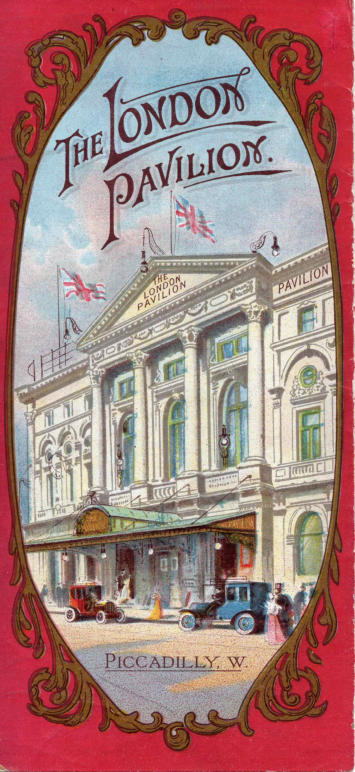

The London Pavilion - March 1912
What makes the date especially interesting is that it falls just three weeks
before the outbreak of the Second World War.
It also appears to represent a short-lived variety bill immediately before the
Palladium opened Jack Hylton's stage version of the enormously popular
BBC comedy Band Waggon on 3 July 1939.
"Here Monday Next – An Enlarged Version of the B.B.C. Radio Feature
BAND WAGON"
The stage production starred Arthur Askey, Richard "Stinker" Murdoch,
Florence Desmond, Tommy Trinder and Syd Walker. The Palladium
engagement began on 3 July, and the show was still playing when war was
declared on 3 September 1939.
The presence of Naunton Wayne and, particularly, the Dandridge Sisters
makes this a rather more historically interesting bill than it might initially
appear.
Naunton Wayne
Naunton Wayne was already known to cinema audiences in 1939. Today he
is probably best remembered as one half of the wonderfully dry-humoured
pair Charters and Caldicott in Alfred Hitchcock's The Lady Vanishes (1938).
He went on to have a long career in British films, and his appearance here
shows the close relationship between variety, radio and the British film
industry at the end of the 1930s.
The Three Dandridge Sisters — probably the most important act
historically
This is, I think, the real jewel in the programme.
The trio consisted of Vivian Dandridge, Dorothy Dandridge and Etta Jones.
They had performed at the famous Cotton Club in New York and were
touring Europe during 1939. Contemporary and later sources specifically
record their European tour and their appearance at the London Palladium
during that year.
Of course, Dorothy Dandridge subsequently became one of Hollywood's
most famous Black actresses and singers, eventually receiving an Academy
Award nomination for Carmen Jones (1954).
What is remarkable is that your programme documents Dorothy very early in
her career, when she was still appearing as part of the family vocal act
rather than as a solo star. The sisters had already appeared in films
including the Marx Brothers' A Day at the Races (1937) and Going Places
(1938).
They were also photographed and documented as a working trio in 1939,
with Vivian, Etta and Dorothy identified individually.
The London Pavilion - March 1912 - Chat GPT notes
A real rarity here, George Formby Senior (of course it was just
George Formby in those far-off days.
I can see from referring to George Formby’s date book that his
earnings per week at this time were £25 which equates to £2,550
today! A close look at George’s earnings in 1912 tells us that he
earned approximately £2,570 for the year and this does not in-
clude monies he would have lost due to frequent illness. This
equates to £262,225 in today’s money!
(Bank of England inflation calculator)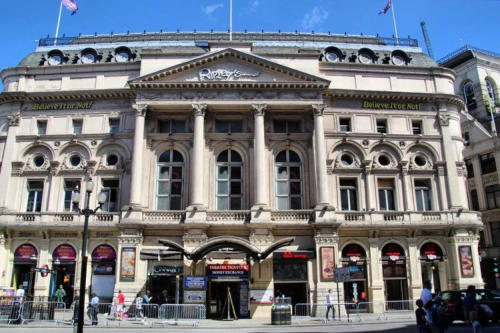

The Coventry Hippodrome - March 1951
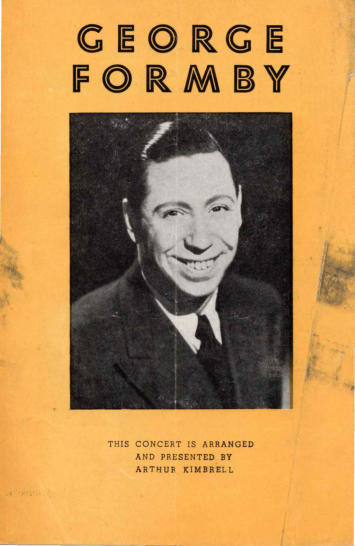
The Coventry Hippodrome - March 1951
There is no date in this programme but calendar Evidence tells
us the flyer inside advertises a Personal Appearance of George
Formby at De Montfort Hall on Easter Sunday, March 25th.
In the 20th century, Easter Sunday fell on March 25th in only
one year: 1951
Arthur Kimbrell was an impresario and theatrical agent based in
Leicestershire (Hinckley) active during this era.
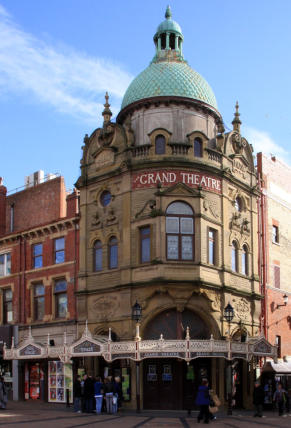
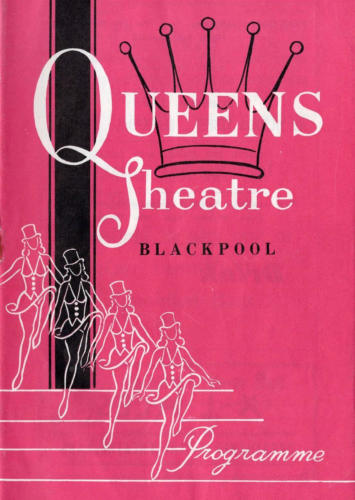
The Queens Theatre - Blackpool - 1960
George Formby’s last Summer Season. Beryl was very ill
when the show opened on 04 June 1960.
The Time of your Life” should have closed in September,
but it broke all box office records and it was extended
until November.
George was having to cope with Beryl’s serious illness
and she passed away on 24 December of that year.
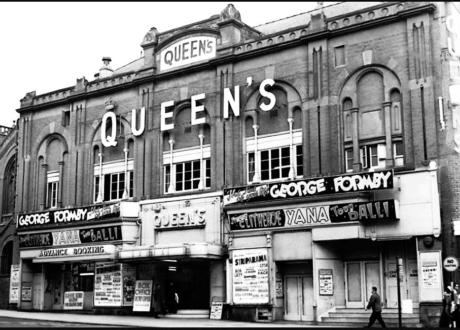
The Queen’s Theatre during George’s last Summer Season















gfs archives
The Written Word

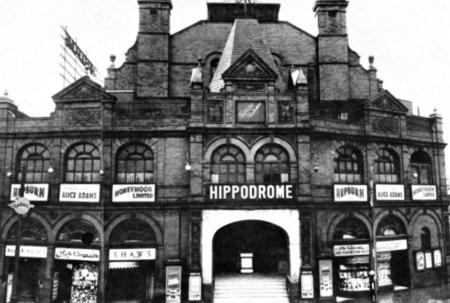

Hippodrome Theatre, Blackpool
George Formby starred in the summer season show Turned Out
Nice Again in Blackpool starting on June 25, 1954.The production
took place at the refurbished Blackpool Hippodrome and was
scheduled for a 13-week run, but it closed after only six weeks
due to Formby's recurring health issues. (Note: "Turned Out Nice
Again" was also famously used as the title of his 1939 summer
season show at the Blackpool Opera House).
Read all about the Hippodrome at this link
Hippodrome Theatre, Blackpool
Shepherd's Bush Empire
What a pleasure to display such a rare item! Billed as George
Formby Junior and the date of this show was Monday 16
February 1925.
The Shepherd's Bush Empire first opened to the public on
August 17, 1903.
Read about the Shepherds Bush Empire at this link
Shepherd's Bush Empire

The Royal Albert Hall - 28 December 1941
This star-studded All Star Concert took place on the af-
ternoon of Sunday, December 28, 1941, at the Royal
Albert Hall. Organized under the direction of ENSA
(Entertainments National Service Association), the event
was held in aid of King George's Fund for Sailors, with
King George VI serving as patron of the fund.
Given the wartime context, the concert brought together
an extraordinary roster of classical musicians, popular
radio stars, West End actors, and military bands to boost
morale and raise funds for naval personnel. `

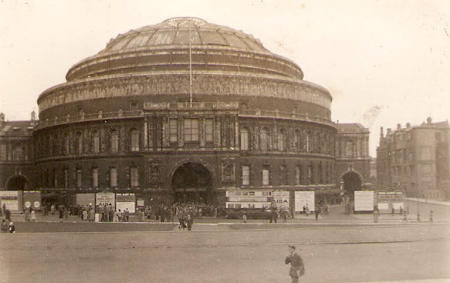
The Royal Albert Hall in the 1940s
Birmingham Theatre Royal - 15 February 1937
George appeared in many pantomimes throughout his
forty-year career. This one is Dick Whittington from
1937.
The Theatre Royal, Birmingham was built in 1774 and
demolished in 1956.
Dick Whittington and his cat has been a favourite subject for British pantomimes since pre-Victorian days, especially in the Christmas season.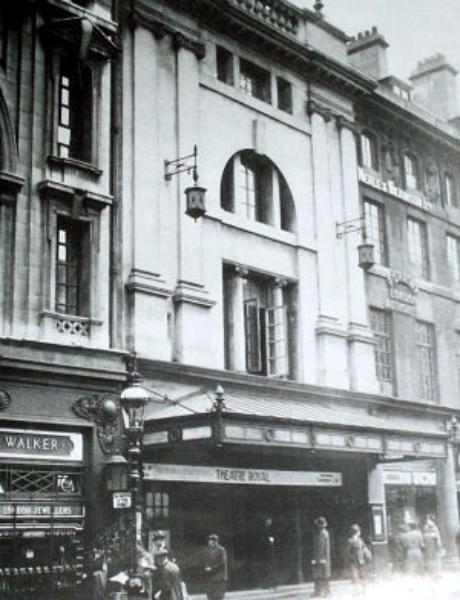
Photo from a later production of
Dick Whittington
Birmingham Theatre Royal
Liverpool Empire 1948/49
This programme is for the December 1948 – February
1949 pantomime season.
Opening Date: 24 December 1948 (running through
early 1949).
Read about the Empire at this link
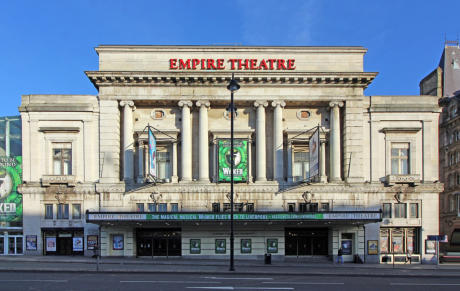
Liverpool Empire

The Palace Theatre Manchester - 1938/39
This programme is for the 24th December 1938 to
perhaps February 1939 production of Dick Whittington
pantomime season. George played Idle Jack.
George Formby's O.K. Club for Kids During the run of this pantomime, young audience members could purchase an official membership badge for one penny. True to Formby's strong ties to the North of England, 100% of the proceeds from these badges were split directly between two prominent local newspaper charities of the era :The "Chronicle" Cinderella Fund (run by the Manchester Evening Chronicle). The "Evening News" White Heather Fund (run by the Manchester Evening News). Both of these funds were dedicated to providing clothing, footwear, holiday outings, and Christmas treats for underprivileged children living in Manchester and Salford.
Grand Theatre Blackpool
Grand Theatre Blackpool
Beside The Seaside
George Formby starred in Beside the Seaside, a lively comedy
written by Leslie Sands.
The entire story takes place in the sitting room of "Seaview," a
seaside boarding house. The time is set during the "height of the
summer season"—making its April run in Blackpool a perfect
precursor to the holiday rush.
George's played Wilf Pearson. This was a classic, everyday
Northern character archetype, playing opposite Barbara Mitchell
who starred as his wife, Ethel Pearson.
The show ran for a week starting Monday, April 28th, 1958.
The Venue: Grand Theatre, Blackpool, which was managed at
the time by the famous Blackpool Tower Co. Ltd.
Show times: It ran nightly at 7:30 PM, with a Wednesday matinee
at 2:30 PM, and a double-feature on Saturday at 5:00 PM and
8:15 PM.
Even though this was a straight play, the theatre found a clever
way to honour George's musical roots. During the 15-minute
interval between Act I and Act II, the house pianists ("The Two
B's"—Ernest Broadbent and Dennis Boocock) performed a
special musical arrangement titled "George Formby Favourites"
on two pianos.
The London Palladium - June 1939
The London Palladium - June 1939 - Chat GPT notes
What makes the date especially interesting is that it falls just
three weeks before the outbreak of the Second World War.
It also appears to represent a short-lived variety bill immediately
before the Palladium opened Jack Hylton's stage version of the
enormously popular BBC comedy Band Waggon on 3 July 1939.
"Here Monday Next – An Enlarged Version of the B.B.C. Radio
Feature BAND WAGON"
The stage production starred Arthur Askey, Richard "Stinker"
Murdoch, Florence Desmond, Tommy Trinder and Syd Walker.
The Palladium engagement began on 3 July, and the show was
still playing when war was declared on 3 September 1939.
The presence of Naunton Wayne and, particularly, the Dandridge
Sisters makes this a rather more historically interesting bill than it
might initially appear.
Naunton Wayne
Naunton Wayne was already known to cinema audiences in
1939. Today he is probably best remembered as one half of the
wonderfully dry-humoured pair Charters and Caldicott in Alfred
Hitchcock's The Lady Vanishes (1938).
He went on to have a long career in British films, and his
appearance here shows the close relationship between variety,
radio and the British film industry at the end of the 1930s.
The Three Dandridge Sisters — probably the most important act
historically
This is, I think, the real jewel in the programme.
The trio consisted of Vivian Dandridge, Dorothy Dandridge and
Etta Jones.
They had performed at the famous Cotton Club in New York and
were touring Europe during 1939. Contemporary and later
sources specifically record their European tour and their
appearance at the London Palladium during that year.
Of course, Dorothy Dandridge subsequently became one of
Hollywood's most famous Black actresses and singers,
eventually receiving an Academy Award nomination for Carmen
Jones (1954).
What is remarkable is that your programme documents Dorothy
very early in her career, when she was still appearing as part of
the family vocal act rather than as a solo star. The sisters had
already appeared in films including the Marx Brothers' A Day at
the Races (1937) and Going Places (1938).
They were also photographed and documented as a working trio
in 1939, with Vivian, Etta and Dorothy identified individually.
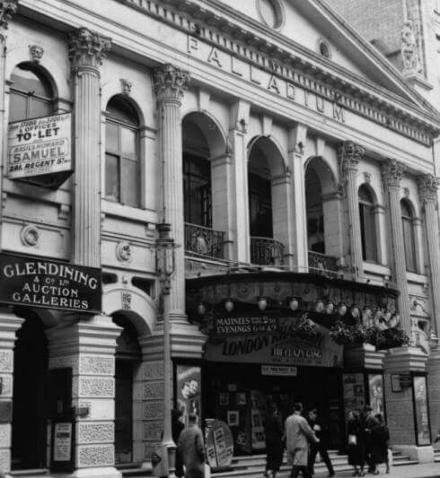
The London Pavilion - March 1912
The London Pavilion - March 1912 - Chat GPT notes
A real rarity here, George Formby Senior (of course it
was just George Formby in those far-off days.
I can see from referring to George Formby’s date book
that his earnings per week at this time were £25 which
equates to £2,550 today! A close look at George’s earn-
ings in 1912 tells us that he earned approximately
£2,570 for the year and this does not include monies he
would have lost due to frequent illness. This equates to
£262,225 in today’s money!
(Bank of England inflation calculator)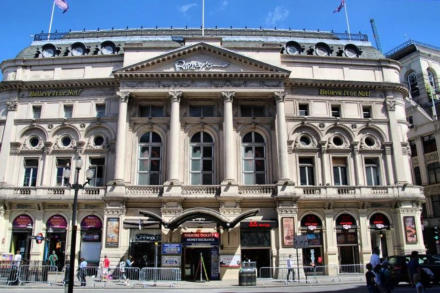
The Coventry Hippodrome - March 1951
The Coventry Hippodrome - March 1951
There is no date in this programme but calendar
Evidence tells us the flyer inside advertises a Personal
Appearance of George Formby at De Montfort Hall on
Easter Sunday, March 25th.
In the 20th century, Easter Sunday fell on March 25th in
only one year: 1951
Arthur Kimbrell was an impresario and theatrical agent
based in Leicestershire (Hinckley) active during this era.
The Queens Theatre - Blackpool - 1960
George Formby’s last Summer Season. Beryl was very ill
when the show opened on 04 June 1960.
The Time of your Life” should have closed in September,
but it broke all box office records and it was extended
until November.
George was having to cope with Beryl’s serious illness
and she passed away on 24 December of that year.
The Queen’s Theatre during George’s last Summer Season















